Advancing Mental Health Care with AI-Enabled Precision Psychiatry Tools: A Patent Review
By Anne-Kathrin Kleine in artificial intelligence mental healthcare patent review
February 1, 2023
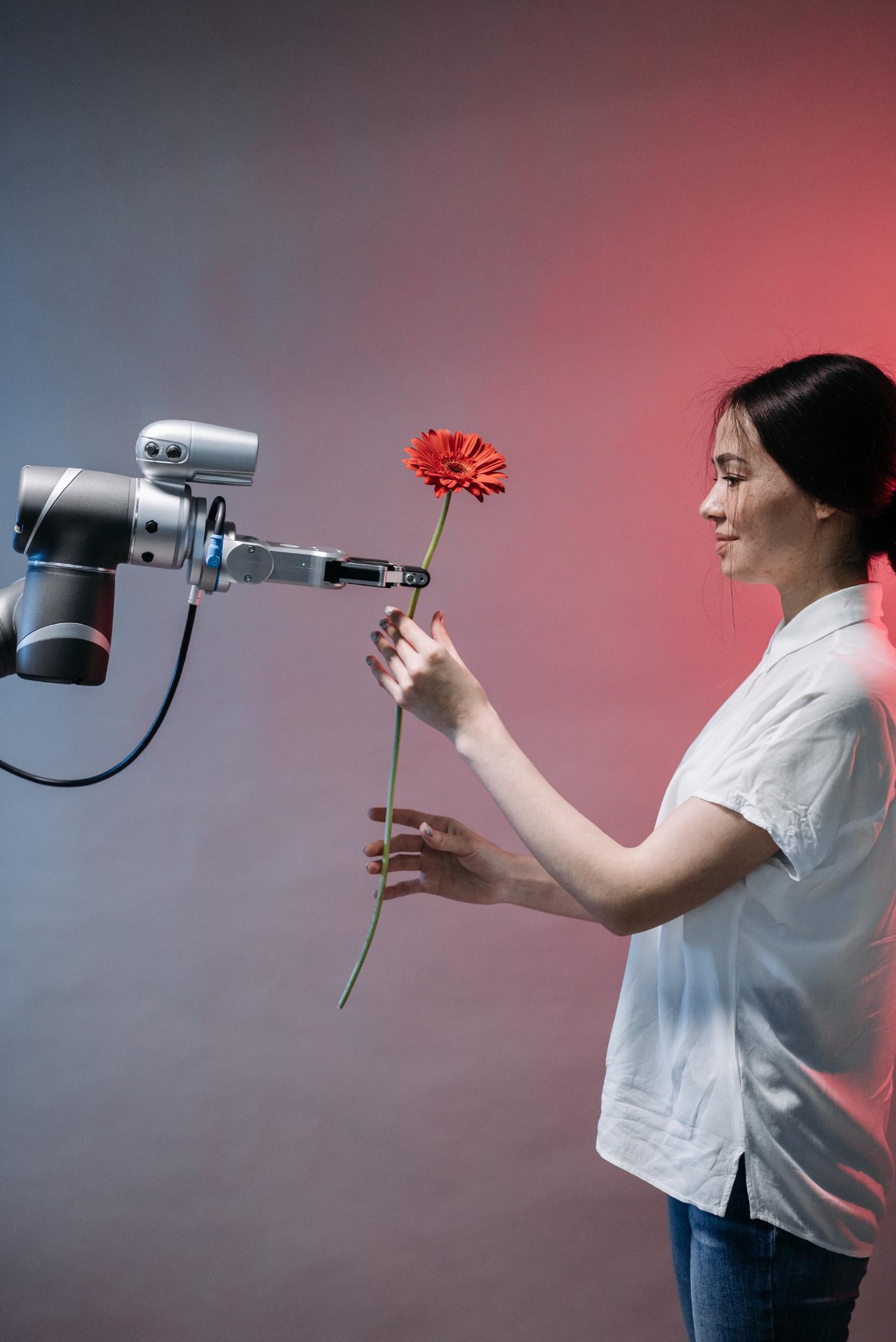
AI-enabled precision psychiatry tools aim to tailor diagnosis and treatment in mental healthcare to the individual patient. Many of these tools are developed by companies and documented in patents long before they appear in the scientific literature – which makes patents a valuable source for understanding where the field is heading.
What we did
We reviewed patents on AI-enabled precision psychiatry tools published between 2015 and mid-October 2022. Using multiple analytic approaches – including graphic network analysis and topic modeling – we analyzed the scope, content, and trends of the retained patents.
What we found
- The tools aim to provide accurate diagnoses according to established psychometric criteria, predict the response to specific treatments, suggest optimal treatments, and make prognoses about the course of disorders.
- About one-third of the tools recommend treatment options or include treatment administration – related to digital therapeutics, pharmacotherapy, and electrotherapy.
- Predictions are based on behavioral data collected via mobile devices, neuroimaging, and electronic health records.
- The complexity of the technology combinations used in the tools increased until 2021.
What this means
The patent landscape reveals likely future developments and commercialization pathways in AI-enabled precision psychiatry and highlights the potential of these tools for practice. Which of them have actually reached the market is the subject of our follow-up product review.
Read the paper
Kleine, A.-K., Lermer, E., Cecil, J., Heinrich, A., & Gaube, S. (2023). Advancing mental health care with AI-enabled precision psychiatry tools: A patent review. Computers in Human Behavior Reports, 12, 100322. https://doi.org/10.1016/j.chbr.2023.100322 (open access; preprint)
- Posted on:
- February 1, 2023
- Length:
- 2 minute read, 252 words
- Categories:
- artificial intelligence mental healthcare patent review
- Tags:
- research